Janevska: Education Strategy 2026-2030 to be adopted in January

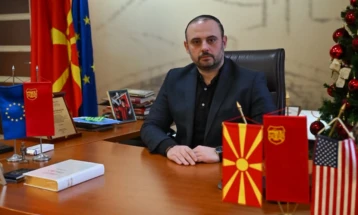
Skopje, 19 December 2025 (MIA) – The Education Strategy 2026-2030 will remain open to public feedback on the ENER National Electronic Register of Regulations through Dec. 31 and it is expected to be adopted after the holidays, Minister of Education and Science Vesna Janevska said Friday.
The draft strategy on ENER, she said, had largely received constructive feedback, most of which would be incorporated into the document.
"There is only one problem – several non-governmental organizations have reacted to our use of the word gender, which in the strategy is unequivocally used to distinguish between the male and female sex and it is also found in many other strategies and documents," Minister Janevska said.
"I think we finally need to clear that up. We have a Department of Gender Studies, we have a gender studies program, equality between the sexes, men and women, etc.," she said.
The education minister said this was the only problem regarding the national strategy but it was not reason enough for its withdrawal.
"The use of the term gender is appropriate and refers to the difference between male and female. This cannot be a reason to withdraw it. The strategy has been in the works for more than six months, with a hundred participants in the workgroup, with foreign partners, domestic institutions, with three public hearings held and thousands surveyed. That cannot be the reason for withdrawing the strategy," Janevska said.
She added that the 2026-2030 strategy was building on the education system reforms that were already underway.
"We expect to improve preschool inclusiveness, because we have a slight imbalance with the EU there, and we need to increase coverage. We need to increase school capacities for morning shift instruction and the inclusion of children with special educational needs in the education system and strengthen the capacities of teachers," she said.
Janevska also said education authorities were adapting school curricula to respond to the needs of the modern labor market by promoting post-secondary education as well as introducing a one-year specialization in secondary vocational education and short vocational studies at universities. mr/