UNICEF welcomes the adoption of new guidance to protect children from air pollution in schools
Skopje, 22 December 2025 (MIA) – UNICEF welcomes the recent adoption of comprehensive guidance aimed at improving air quality in schools and providing clear recommendations for action during air pollution events. The adoption of these recommendations follows the recent alignment of the national AQ index with the most recent European Air Quality Index. It comes at a critical time when pollution levels in Skopje and other regions pose serious health risks, particularly for children.
The new Recommendations for dealing with ambient air pollution offer tiered guidance based on real-time air quality conditions, the UNICEF said in a press release.
“When air quality is good, schools are encouraged to maximize outdoor activities such as sports and recreation, and to use natural ventilation by frequently opening windows. When air quality deteriorates to poor, very poor, or extremely poor levels, schools should move outdoor and physically intensive activities indoors or canceled them, close external doors and windows, operate air purifiers if available and monitor students for symptoms related to air pollution (such headache, difficulty breathing, coughing, nausea and irritation of the eyes, nose, throat) and informing parents as needed. In cases of sudden pollution events or when monitoring data is unavailable, schools are encouraged to act proactively to minimize exposure and protect the health of children and staff,” reads the press release.
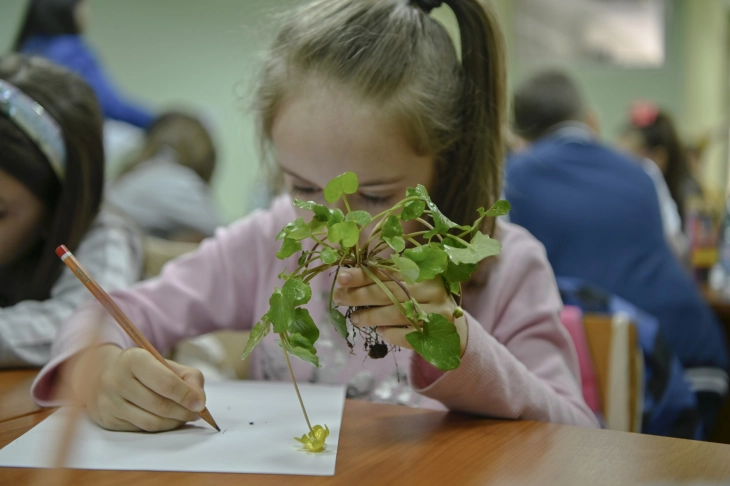
The accompanying Guidance on good practices for improving indoor air quality in schools outlines practical measures to reduce exposure to pollutants. These include proper ventilation, use of low-toxicity cleaning products, wet cleaning to limit dust, regular use and maintenance of air purifiers and the use of entrance mats. The guidance also promotes green barriers such as hedges, indoor plants and limiting car traffic and idling engines near school entrances.
The guidance for schools was developed by the Ministry of Education and Science in cooperation with the Ministry of Health, the Ministry of Environment and Physical Planning and other partners with UN support. It reflects UNICEF policy recommendations to protect children from the harmful effects of air pollution and its impact on children’s health within national planning and decision-making processes.
These measures help ensure air pollution and its impact on children’s health are given priority National Determined Contributions (NDC), National Adaptation Plans (NAPs), national and local Air Quality Plans, and national Health Plans. For additional information on how to families can children from air pollution see What is air pollution and how to protect your family from it.
Photo: UNICEF