Saveski for MIA: No hidden cases or selective justice, every case impacts human destinies
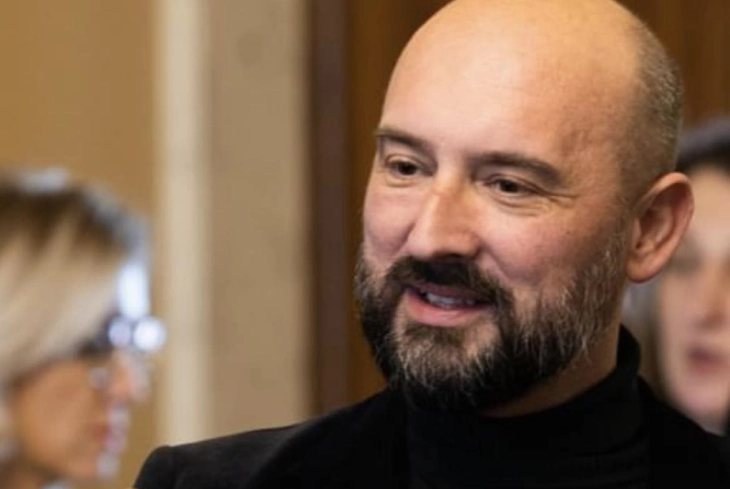
Skopje, 18 March 2026 (MIA) - My goal is to ensure radical accountability and transparency, digitalization, and working conditions that allow prosecutors to carry out their work efficiently and with dignity. While salaries are often discussed, the main challenge lies in the working conditions, because you cannot fight wealthy criminals with a poorly funded institution. Ensuring financial resources is part of the solution, but the focus must be on creating proper conditions for work, Nenad Saveski, who is set to be elected Wednesday by the Parliament as the new chief public prosecutor, told MIA.
He stressed that the most important task is to digitalize prosecutors’ work in order to monitor their performance and prevent what he describes keeping court cases in drawer.
“This digitalization could take the form of a program functioning as a ‘drawer-stop system.’ The prosecution is often criticized for slow operations, but this system would also reveal the underlying causes: whether it is a shortage of qualified personnel, insufficient prosecutors, or a lack of support staff for public prosecutors,” Saveski explained.
He does not want to single out any case to start his work as the new chief public prosecutor, because, as he says, all cases are equally important since ‘they involve human destinies.” He will avoid selective justice and every case will be handled in accordance with the law, deadlines and professional principles.
Below is the brief interview with the candidate nominated for the new chief public prosecutor, whose appointment is expected to be confirmed by the Parliament today.
What are the first actions you plan to undertake once elected as chief public prosecutor, and have you set any timelines for implementing them?
I am coming from outside at the moment. I have previously been part of the prosecution, and now I will return from an external position. My first step will be to evaluate the internal situation, review the working conditions and become acquainted with the current state of affairs. The most important task is to digitalize prosecutors’ work in order to monitor their performance and prevent what he describes keeping court cases in drawer. This digitalization could take the form of a program functioning as a ‘drawer-stop system.’ The prosecution is often criticized for slow operations, but this system would also reveal the underlying causes: whether it is a shortage of qualified personnel, insufficient prosecutors, or a lack of support staff for public prosecutors. Then plans need to be made to review the financial structure, assess the needs, and examine the new law, if it is adopted and how it will help to get things started. Although these are not radical changes, these cosmetic adjustments can still have an impact on improving the situation. I do not consider that the functioning of the Public Prosecutor’s Office begins with my appointment or will end with my departure. Public prosecutors are fulfilling their duties even as we speak, in accordance with the law. I do not believe that my tenure as head of the institution is the starting point on which everything depends. On the contrary, I believe that together all of us, prosecutors and other state institutions on which the work of the Public Prosecutor’s Office depends, will build a strong prosecutorial system capable of fulfilling its mission-detecting and prosecuting crime. Nothing starts or ends with me. This is an institution that carries on its work regardless. My goal is to ensure radical accountability and transparency, digitalization, and working conditions that allow prosecutors to carry out their work efficiently and with dignity. While salaries are often discussed, the main challenge lies in the working conditions, because you cannot fight wealthy criminals with a poorly funded institution.
Which cases would you initially focus on? Among the current ones, is it the case involving former Deputy Prime Minister Artan Grubi, REK Bitola case or perhaps an older case such as the Special Prosecutor's Office bonuses?
Any open case must reach a conclusion, whether that means ending the investigation or bringing charges to court, depending on the evidence. You cannot reopen old cases that have already been decided. There are legal rules for repeating proceedings, and the process does not depend on anyone’s personal will or expectations. When the legal conditions exist, of course, cases proceed accordingly. When there are no legal grounds, what applies to everyone, including the high-profile cases in the public eye, applies to all other cases as well. Essentially, I believe that no matter how significant a case is, or how much public interest it attracts, the focus cannot be placed on those cases while neglecting others that, for lack of a better term, may seem less important. Every case is important. Human destinies are decided in all cases, and each person’s fate is equally significant. We cannot focus on some cases while neglecting others. That is precisely my intention, to ensure that every case receives equal importance.
So, you would not single out any particular case?
No, I would not. I do not want to give the impression that I have a tendency to practice selective justice. Every case will be handled in accordance with the law, deadlines, and professional principles.
Photo: archive