China and Russia back Venezuela against US in heated UNSC exchange
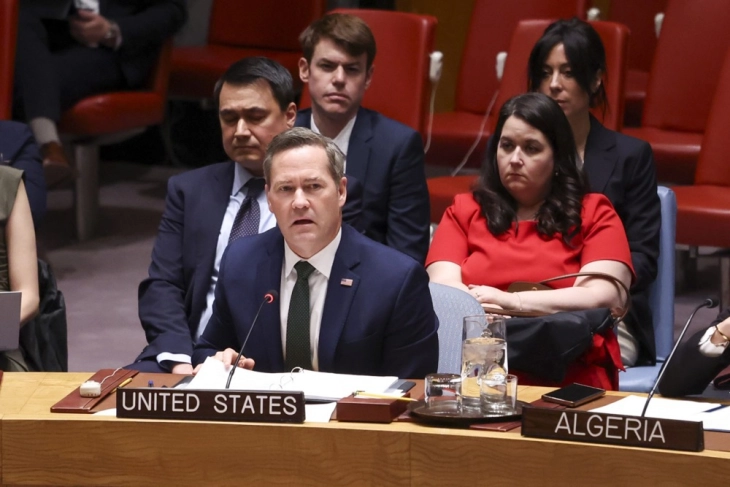
New York, 24 December 2025 (dpa/MIA) - China and Russia on Tuesday accused the United States of "bullying" and "cowboy-like conduct" towards Venezuela in a heated emergency meeting of the UN Security Council in New York.
During the meeting, called by Caracas, US Ambassador to the UN Mike Waltz declared that Venezuela's head of state Nicolás Maduro was not a legitimate president, but a criminal who was investing the proceeds from oil sales in drug deals.
Russia's UN Ambassador Vasily Nebenzya accused the US of "cowboy-like conduct" in its pressure campaign against Venezuela, including an illegal blockade of the South American country's coast.
The blockade was a violation of key norms of international law and the UN Charter and "the clearest and absolutely real act of aggression," Nebenzya said, warning of catastrophic consequences for Venezuelan residents.
China, which imports oil from Venezuela, characterized the unilateral action of the US as "bullying" and criticized the interference in the internal affairs of the Caribbean state. This jeopardizes peace and stability in Latin America, China's representative Sun Lei said, adding that freedom of navigation must be guaranteed.
Venezuela's Ambassador to the UN Samuel Moncada rejected the US accusations and accused Washington of waging an illegal blockade war.
"The world must know that the threat is not Venezuela — the threat is the current [United States] government," Moncada said, adding that the US target is "not drugs, it's not security, it's not freedom; it is oil, it's the mines, it's the land."
The Venezuelan representative to the UN went on to say that it was "absurd" to believe that oil revenues are being used to finance drugs.
Venezuela had requested the meeting of the most powerful UN body with the support of Moscow and Beijing. No formal decision was taken.
US says pressure is about fight against drug cartels
Tensions have been simmering between Washington and Caracas for months.
The US military has repeatedly sunk boats that it said were carrying drugs in the Caribbean and in some cases in the Pacific.
Washington has also deployed troops and the world's largest aircraft carrier to the region, with US President Donald Trump suggesting a ground operation in Venezuela is also on the table.
Trump has announced a blockade on sanctioned oil shipments to and from Venezuela. The US Coast Guard has recently seized two tankers and is reportedly tracking a third.
US officials say the measures are aimed at combating drug trafficking. Venezuela, however, accuses Washington of seeking to engineer regime change.
"Apparently, the White House has decided to take out of mothballs the well-worn practice of leveraging the need to combat terrorism to justify overt aggression and interference in the affairs of sovereign states," Nebenzia said.
Europe warns against escalation
European countries such as the United Kingdom, France, Greece, Denmark and Slovenia unanimously called for de-escalation and compliance with international law in the meeting.
At the same time, several European countries questioned Maduro's democratic legitimacy, pointing to human rights violations and a lack of transparency in elections. However, they expressly rejected a military solution.
Photo: epa