Bulgarian poet Maja Panajotova tells MIA: I love Macedonia, I have written a poem about my beloved Skopje
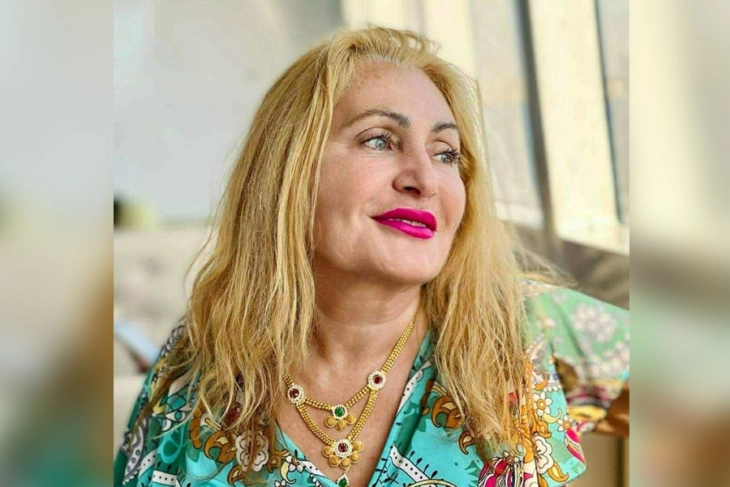
Skopje, 2 February 2026 (MIA) — Maja Panajotova (b. 1951) is a Bulgarian poet, translator and Slavic studies scholar, who has spent most of her life and career in Belgium. After her Slavic studies in Bulgaria, she married the Belgian Slavic scholar Raymond Detrez in 1972 and moved to Belgium, where she later taught Bulgarian language and literature at the universities of Ghent and Leuven.
In addition to her academic work, Panajotova has also produced a significant poetic oeuvre, writing in both Bulgarian and Dutch. Her literary debut in Dutch was the poetry book "The Silent Alibi" (1983), followed by "Sofia Has Remained a Mystery" and "The Landscape of One Man" (2016).
Her poems interwave her personal experiences, memory, space and a sense of belonging, with her life between two cultures being a quiet, but recurring theme. Today, Panajotova is considered an author connecting Bulgarian literature with the Western European poetry scene. She is also one of the most popular Bulgarian authors to visit North Macedonia.
Born and educated in Bulgaria, you have been based in Belgium for decades. Where do you feel at home today? Does poetry have a homeland?
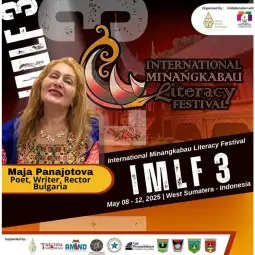
I was born in Bulgaria and live in Belgium, where I taught Bulgarian language and literature at two universities. I spend most of the year in Bulgaria, where the cultural life is more abundant and interesting. But the homeland of poetry is the whole world.
How did moving to another cultural and linguistic environment influence your poetic voice?
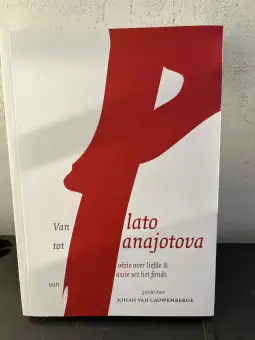
I am happy Belgium accepted me and published an anthology of world love poems titled "From Plato to Panajotova".
Do you feel like a Bulgarian poet writing in Dutch or a European poet without rigid boundaries?
When I write in Dutch, I feel more constrained, but I don't feel like there are any rigid boundaries. When a poet writes in a foreign language, their poetry gets more readers but loses one kind of intensely expressed feelings. One's sensibility is the foundation of poetry. It provokes poetry.
How different does the same motif sound in Bulgarian than in Dutch?
Well, in Bulgarian it sounds more sincere. The Slavic language itself gives it more warmth.
What is more difficult — translating a poet into Bulgarian or your own poetry into a foreign language?
When I translate foreign poetry, I am mindful of the exact contents and, of course, the rhymes and rhythm. When I translate my poetry into another language, I express some feelings intertwined with other poetry.
Have you cooperated with any Macedonian festivals, colleagues and institutions?
I have attended the wonderful poetry festival Struga Poetry Evenings as well as the poetry festival in Tetovo. I have great respect for all the poets in the world that I have met. I was very happy to participate in the Struga Poetry Evenings! Wonderfully organized! My utmost respect for all participants!
How they honored the deceased poets through planting trees that bear their names is unique and very touching. I was moved to tears when I saw the tree named after Ljubomir Levchev and Justo Jorge Padrón.
I also have deep respect for Shaip Emërllahu, who organizes the poetry festival in Tetovo. I have been to London and Paris, where the world celebrates and respects us. But Skopje stole my heart. I fell in love with Skopje. I walk on bridges alongside wonderful people. The people on the streets are friendly and kind. I enjoy the sun, the space, the birds that nest there... I love Macedonia and I have written a poem about my beloved Skopje:
And every time I am with you,
I tell you, "Dear Skopje, hello!"
You are poetry, Skopje, to me!
For me, the liveliest museum!
There are many interesting cultural events at the Macedonian Cultural Center in Sofia. I have met Macedonian poets, writers and artists there. The Ambassador of Macedonia is a dear friend of mine.
What can we look forward to?
I am working on a new collection of poems in Bulgarian and Dutch. A key poem is the poem about my parents. I have been told it is touching, both by children and adults, when I have read it in front of an audience.
What is the happiest surprise your work has given you?
I was very surprised when told that my poem against racism was being sung in a Belgian church!
Branka D. Najdovska


