Bozhinovska: Macedonia building new energy map on Balkans
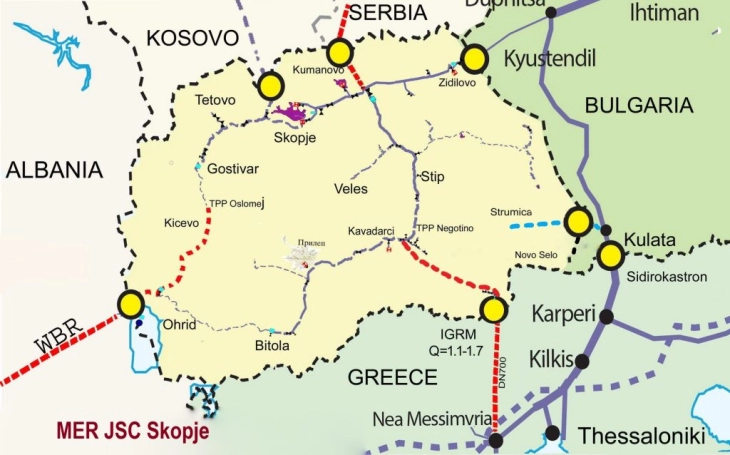
Skopje, 30 June 2025 (MIA) - Macedonia is entering a key stage in the transformation of the energy system, not inly investing in the stability and modernization of its own network but becoming an active player in regional networking and energy integration. The new interconnectors, strategic transformer stations and investments in smart energy infrastructure sets the course for energy independence and the country's role of regional energy corridor, the Ministry of Energy, Mining and Mineral Resources said on Monday.
Construction of the gas interconnector with Greece will officially begin in the coming days, resulting in a double benefit - security in supply and option for transit to third countries. The 68km-long interconnector will not only transport natural gas but hydrogen as well, said the Ministry.
Meanwhile, Macedonia and Serbia have signed a memorandum of cooperation over the construction of a 70km-long interconnector, 23km of which on Macedonian territory. Feasibility and environmental impact studies are ongoing, supported by the Western Balkans Investment Facility.
Through these interconnectors, Macedonia is positioning itself as a new gas transit point, with an annual capacity of up to 3 billion n3.
In addition, construction of the 400/11kV link Ohrid-Elbasan will complete the country's energy networking with all neighboring countries.
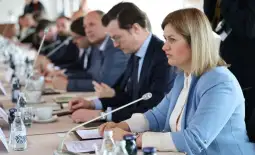
"This is the new strength of the Macedonian energy sector. Macedonia is no longer a final consumer, it is becoming an active stakeholder in energy transmission and stability in Southeast Europe. This is the path to secure energy, economic resilience and strategic position on Balkans' energy map. Macedonia is building the new energy map of the Balkans," said Minister Sanja Bozhinovska.
The energy transition is also focused on the construction of new co-generation plants, producing both electricity and heating energy through higher efficiency and significantly lower gas emissions. They will be located in several urban centers, replacing outdated and inefficient capacities and increasing the stability of the national system, reads the press release.
Photo: Ministry of Energy, Mining and Mineral Resources


