Appeals court allows White House ban on Associated Press to continue
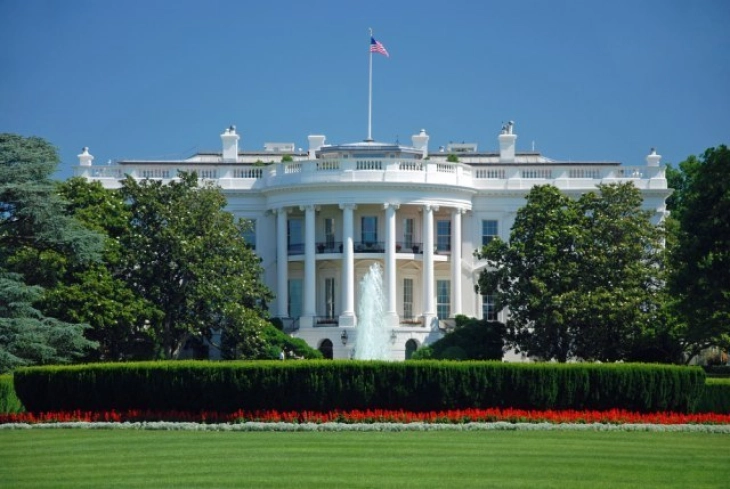
Washington, 7 June 2025 (dpa/MIA) - An appeals court in the United States ruled on Friday that President Donald Trump can temporarily bar the Associated Press (AP) from certain press events, including access to the Oval Office and Air Force One.
The court partially suspended an earlier order by a lower court that had instructed the White House to grant AP reporters access to the Oval Office, the presidential aircraft Air Force One and other areas whenever they are open to other journalists.
The suspension applies only to certain private locations, while access to larger public events at the White House remains unaffected. The ruling will stay in place as the case continues.
The White House has discretion over which journalists are granted access, the court said, adding: "Without a stay, the government will suffer irreparable harm because the injunction impinges on the President's independence and control over his private workspaces."
Trump celebrated the decision on his Truth Social account, calling it a "Big WIN over AP."
The dispute began in February, when the news agency refused to align its editorial style with an executive order by Trump renaming the Gulf of Mexico as the "Gulf of America."
Trump responded by saying AP "refused to state the facts" on the topic and repeatedly banning AP reporters from events, a move criticized by European news agencies and groups advocating press freedom.
The name Gulf of Mexico for the sea inlet on the southern coast of the US has been in use since the 16th century. The waters border Mexico, Cuba and several US states.
White House favours 'new media'
The Trump administration has been giving special access to right-wing media, as well as pro-Trump influencers, bloggers and podcasters it calls "new media." They often ask friendly questions at press events and avoid tough follow-ups.
White House spokeswoman Karoline Leavitt welcomed the appeals court ruling, writing on X: "Moving forward, we will continue to expand access to new media so that more people can cover the most transparent President in American history rather than just the failing legacy media."
MIA file photo


