UN climate talks in Brazil fizzle without fossil fuel phase-out deal
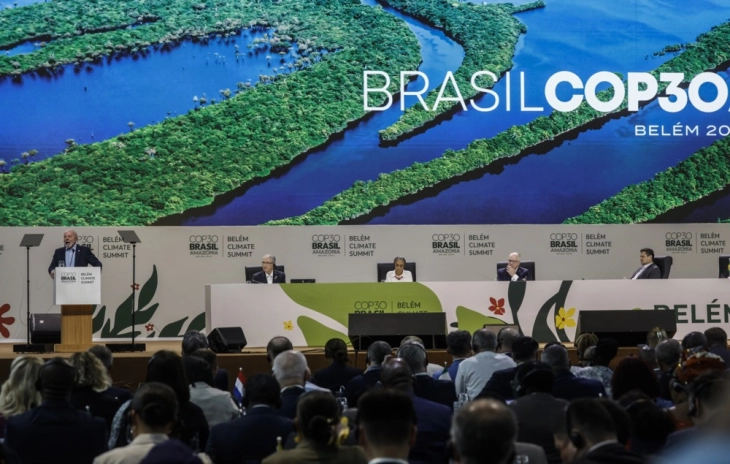
Belém, 23 November 2025 (dpa/MIA) - UN climate talks in Brazil ended on Saturday without a binding plan to phase out planet-warming fossil fuels, with countries backing only a voluntary initiative to accelerate national efforts.
The UN Climate Change Conference, or COP30, was 19 hours into overtime when the agreement was announced. While the outcome was less ambitious than some countries, particularly in Europe, had hoped for, there had been fears the fraught talks could collapse without any consensus reached at all.
German Environment Minister Carsten Schneider expressed his disappointment, saying that the oil-producing nations had prevented a stronger commitment on transitioning away from oil, coal and gas.
The final document signed off by some 200 countries makes no explicit mention of these fossil fuels, using instead the term "greenhouse gases."
The conference did agree that wealthy nations should significantly increase climate aid to poorer countries to help them adapt to the effects of global warming, targeting a tripling of funds by 2035.
Oxfam finance expert Jan Kowalzig criticized the plan for lacking a clear base year for the tripling and no specific funding amount, warning that the support is likely to be far below the $120 billion per year demanded by developing countries.
Goals left unmet
The last 10 years are the 10 warmest on record, with scientists in agreement that the 1.5-degree Celsius limit for global warming set out in the 2015 Paris climate accord will be breached by the early 2030s, meaning more severe storms, wildfires, droughts and floods.
European powers had pushed for a more concrete plan in Belém to turn away from fossil fuels, building on pledges made at last year's climate conference in Dubai. However, the specifics of timing and implementation were left unspecified in Belém.
The US, one of the world's biggest emitters, did not send any high-level delegates to COP30.
For host country Brazil, the outcome also fell short of expectations.
President Luiz Inácio Lula da Silva had called for actionable plans to reduce global dependence on fossil fuels and halt deforestation.
While the conference’s location on the edge of the Amazon rainforest underscored the need for stronger protections, no new forest action plan was adopted, with only an earlier pledge to halt deforestation by 2030 reaffirmed.
The hosts did unveil a new fund - called the Tropical Forest Forever Facility (TFFF) - to protect rainforests. Under the scheme, countries that preserve forests will be rewarded with an annual premium of $4 per hectare. Conversely, they will have to pay a penalty of $140 for every hectare destroyed, with verification carried out by using satellite images.
Belém in the spotlight
Belém itself posed logistical challenges for the tens of thousands of delegates, activists and media workers, with the city's limited hotel capacity supplemented by cruise ships and private accommodations.
Tropical downpours repeatedly leaked into conference tents, and a fire broke out at the venue on Thursday, forcing the evacuation of delegates as the talks entered their final hours.
Indigenous activists were present in unprecedented numbers, staging protests and blocking entrances to demand greater influence and land rights.
Events included a multi-day "People's Summit" and a march of tens of thousands advocating stronger climate action.
The conference had been due to end on Friday, but when delegates failed to seal a deal, it was extended, as has happened at past COP meetings.
Photo: EPA