Building future workforce for sustainable waste management sector in North Macedonia
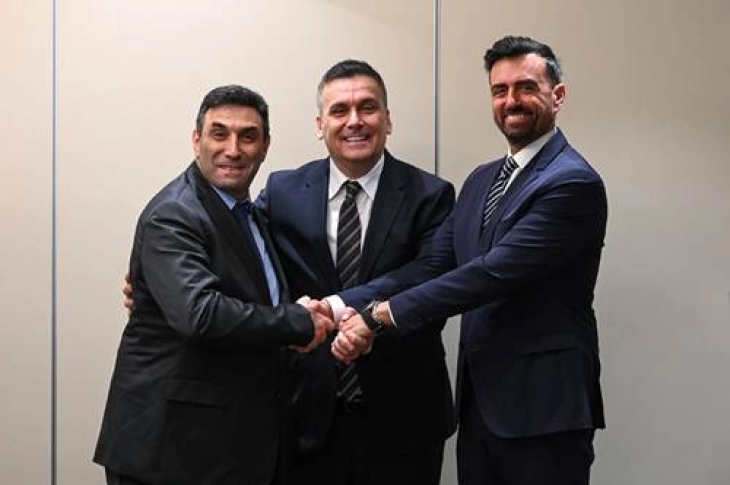
Skopje, 18 February 2026 (MIA) - North Macedonia is taking a decisive step toward building a modern, inclusive and EU‑aligned waste management system, as the EBRD convened national and international partners in Skopje to shape a new skills and workforce development agenda for the sector.
The high‑level workshop, “Pathways to Skills and Inclusion in the Solid Waste Sector,” laid the groundwork for concrete measures that will equip local communities with the capabilities needed to operate next‑generation waste infrastructure and unlock greener employment opportunities, the EBRD said in a press release.
The workshop forms a part of the programme funded by the European Union and is linked to the EBRD‑financed Regional Solid Waste Project, which is supporting the construction of EU‑compliant sanitary landfills, transfer stations and new equipment in the Pelagonija/South-West, Polog, and Vardar/South-East regions.
The aim of this programme is to help create on‑the‑job training, work‑based learning opportunities and inclusive employment pathways for local people, particularly unemployed youth, women and Roma communities. The programme also aims to strengthen cooperation between public institutions, regional waste companies, private operators and vocational training providers, reads the press release.
Muhamed Hoxha, Minister of Environment and Physical Planning, reaffirmed the Government’s commitment to waste sector reform adding: "It is very important is that the Regional Waste Management System is no longer just an idea on paper. We are already building the infrastructure that forms the foundation of this system. That is why 2026 is the year of a real change. This means an end to improvisation. Our partnership with the EBRD and the European Union is not a formality, but a tool for solving real problems that have persisted for decades. Waste management today is not only an environmental topic – it is an economic opportunity, a matter of decent work and social justice".
Steffen Hudolin, Head of EU Delegation Cooperation section said: “The Green Deal is no longer an ambition, but a fully integrated concept in all reforms, programmes and projects supported by the EU. This translates directly into the EU support for solid waste management systems. With over EUR 74 million in grant funding, we have been facilitating the creation of the regional waste management system in the Northeast and East part of the country, and partnering with EBRD to support the transformation in the other parts of the country. With every support provided in this emerging sector, we focus also on increased education and skills, directly contributing to breaking the barriers for employment of the youth, women and vulnerable groups, which contribute to closing the gap that exists in the market.”
Fatih Turkmenoğlu, Head of EBRD North Macedonia, said: The EBRD is financing up to €55 million for the Regional Solid Waste Project – a transformative environmental investment that will serve more than one million citizens. This project will close non‑sanitary dumpsites and introduce modern facilities, but its long‑term success depends equally on investing in people. Strengthening technical, health and safety and management skills is essential to building a modern, EU‑compliant waste sector and unlocking new green employment opportunities.”
Following the workshop, the EBRD and its partners will finalise the design of inclusive employment pathways and identify pilot educational programmes in close cooperation with the Ministry of Environment and Physical Planning, education authorities, municipalities, private and public operators and training institutions, reads the press release.
Photo: EBRD


