Bozhinovska: Country is shaping energy future for all
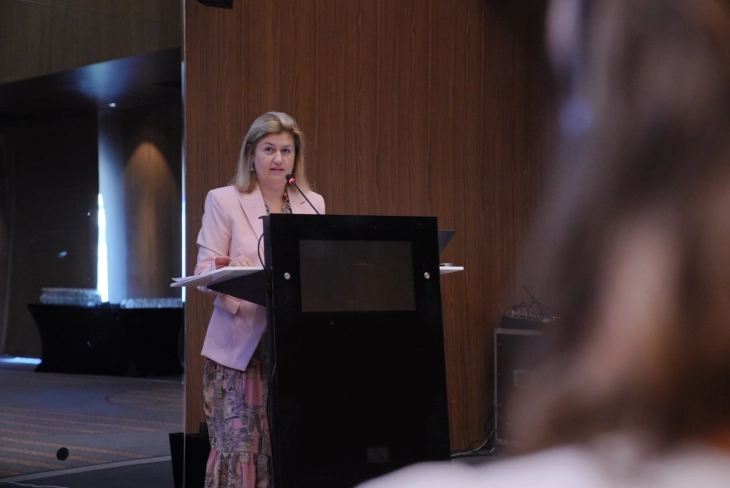
Skopje, 3 June 2025 (MIA) - Macedonia is prepared for a new energy model that is just, transparent and socially responsible, heard Tuesday's event promoting a report of the OECD Development Centre titled "Energy Prices and Subsidies in the Western Balkans: Reforms for a Fair and Green Future".
The report, drafted with the support of international partners, provides a clear overview of the fiscal costs related to energy subsidies, with a focus on the energy crisis in 2021-2022, the Ministry of Energy, Mining and Mineral Resources said in a press release.
According to the analysis, the country allocated significant funds in the period between 2018-2023 as direct support for the energy sector, intended to soften the price shocks and protect the people's living standard amid global crises. However, the existing model of uniformed subsidies often contributes to bigger transfer to households with higher consumption instead of vulnerable groups.
"The new Energy Law makes a key breakthrough - we are transferring from universal support to targeted social protection based on the real circumstances in the household, not only the consumption," said Minister Bozhinovska and added that a methodology for measurement of energy poverty is being set up in cooperation with the Ministry of Social Policy, Demography and Youth.
She also highlighted the system of bloc-tariffs, which has been applied since July 2022 but also its limitations.
"A family having more members with chronic diseases and a real need for higher consumption is exposed to higher prices despite their social status," added Bozhinovska.
The panel discussion within the event raised the issues of market liberalization, financing of energy transition and need for innovative solutions and proper distribution of funds.
The Energy Law also stipulates new mechanisms for protection of vulnerable consumers, such as direct support, energy efficiency subsidies and ban for grid disconnection in winter. In addition, the law entails the option of the consumer changing his/her electricity supplier within 48 hours, free of charge, thus stimulating fair competition.
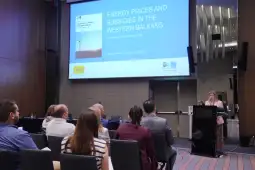
"This law reflects our commitment to build an energy system that is economically sustainable, socially just and environmentally accountable. Our vision is clear - Macedonia with solar panels on roofs, electric vehicles on roads and stable electricity bills," said Bozhinovska and added that the OECD report is a tool for better policies and a fair transition in which no one would be left behind.
Photo: Ministry of Energy, Mining and Mineral Resources


