“Rights. Justice. Action. For ALL women and girls” – When justice fails, women pay the price
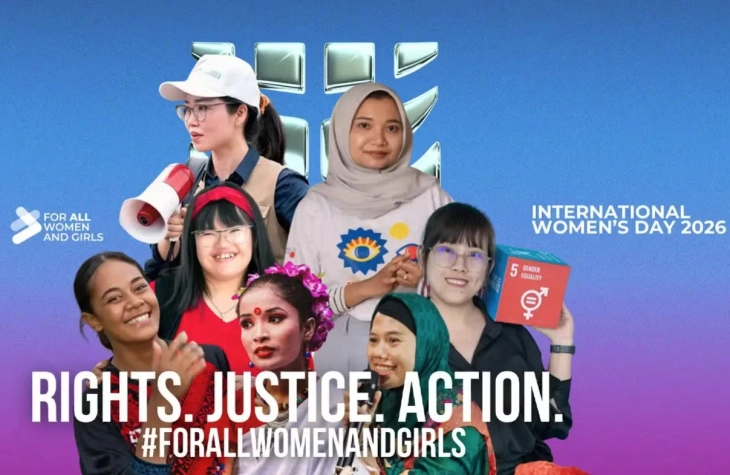
Skopje, March 8, 2026 (MIA) – Women’s rights mean nothing if we cannot defend them, says the UN. This International Women’s Day, marked under the motto “Rights. Justice. Action. For ALL Women and Girls, comes at a time when judicial systems face pressure from conflicts, repression, and political tensions, resulting in women and girls having only 64 percent of the legal rights of men.
Women are rejected, disbelieved, repeatedly made victims, or stripped of legal support. Equality remains elusive. Women and girls live without full legal protection, and when justice falls short, women bear the cost. Justice is not blind—it safeguards power and continues to work against women and girls, states the UN Women.
In nearly 70 per cent of surveyed countries, women face more barriers accessing justice than men. Can't afford a lawyer? Justice denied. Legal fees, transportation, childcare, lost wages keep millions of women locked out of justice systems. Want to report an injustice? Be prepared to be ignored, disbelieved, or – worse – blamed and silenced.
For the 676 million women and girls living within 50 km of active conflict zones, justice systems are largely absent and perpetrators act with impunity.
What justice actually means for women and girls? Without justice, rights are just words. With justice, rights become power. Laws that protect women and girls from violence, discrimination, and exploitation. Courts that believe ALL women and girls and end impunity. Legal aid that women and girls can access and afford. Support to recover when rights are violated. Justice does not happen by itself. It must be built and funded, UN Women states.
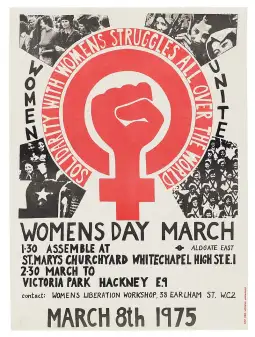
March 8 – a celebration of women’s rights and international peace
International Women’s Day (March 8) is a global day celebrating the social, economic, cultural and political achievements of women. The day also marks a call to action for accelerating gender parity.
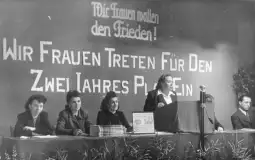
The first IWD was observed on 28 February 1909 in the United States following a declaration by the Socialist Party of America. The idea of having an international women’s day was first put forward at the turn of the 20th century amid rapid world industrialization and economic expansion that led to protests over working conditions.
In 1910 the first international women’s conference was held in Copenhagen by the Second International and an ‘International Women’s Day’ was established, which was submitted by the important German Socialist Clara Zetkin, although no date was specified.
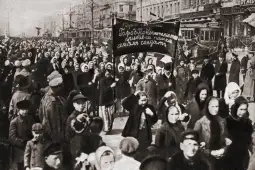
The following year, 1911, IWD was marked by over a million people in Austria, Denmark, Germany and Switzerland, on March 19. Furthermore, on the eve of World War I, women across Europe held peace rallies on 8 March 1913.
In the West, International Women’s Day was commemorated during the 1910s and 1920s, but dwindled. It was revived by the rise of feminism in the 1960s. Demonstrations marking International Women’s Day in Russia proved to be the first stage of the Russian Revolution of 1917.
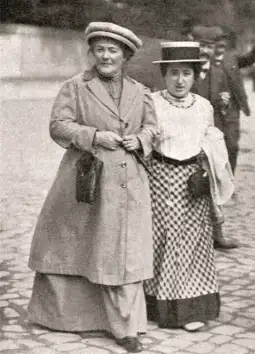
Following the October Revolution, the Bolshevik feminist Alexandra Kollontai persuaded Lenin to make it an official holiday in the Soviet Union, and it was established, but was a working day until 1965.
On May 8, 1965 by the decree of the USSR Presidium of the Supreme Soviet International Women’s Day was declared as a non-working day in the USSR “in commemoration of the outstanding merits of Soviet women in communistic construction, in the defense of their Fatherland during the Great Patriotic War, in their heroism and selflessness at the front and in the rear, and also marking the great contribution of women to strengthening friendship between peoples, and the struggle for peace. But still, women’s day must be celebrated as are other holidays.”

In 1975, which had been designated as International Women’s Year, the United Nations gave official sanction to and began sponsoring International Women’s Day.
Photo: MIA archive/UN


