National Bank presents measures for easier access to loans for first-time homebuyers
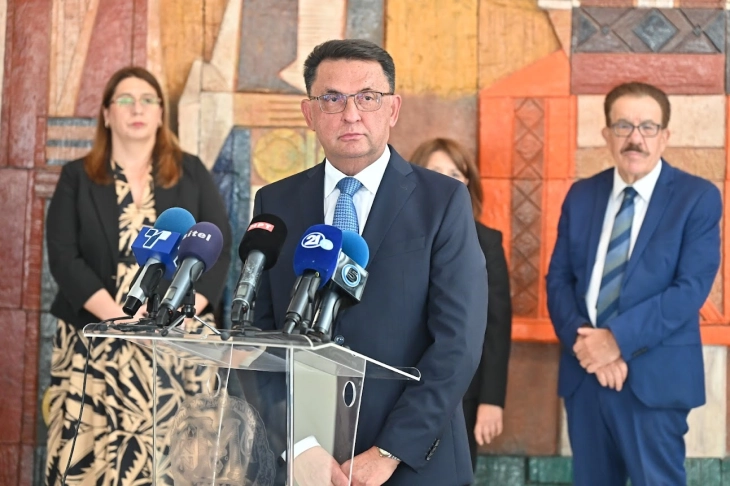
Skopje, 15 September 2025 (MIA) - As of December 1, the down payment for a housing loan will be 10 percent for citizens purchasing a home for the first time, while for all others it will increase from the current 15 percent to 25 percent, as a result of a decision on macroprudential measures adopted at a session Monday by the National Bank’s Executive Board.
At a press conference after the session, Governor Trajko Slaveski said the decision facilitates access to loans for homebuyers purchasing an apartment or house intended for personal residence, while also tightening the terms for borrowers whose intended purchase is not intended as a primary residence.
“For all individuals with an unresolved housing situation, those who genuinely do not own an apartment or house where they could live, who we expect to be primarily young people and young married couples, the new decision allows them to obtain a housing loan with a down payment of just 10 percent of the total value of the residential property, without compromising prudent lending practices. In contrast, for all other cases, the down payment is increased from the current 15 percent to 25 percent of the property’s value. Additionally, for users of housing loans intended for purchasing or building a first residence, the existing limits on the DSTI (Debt Servic to Income) ratio will remain in effect: 55 percent for exposure in denars and 50 percent for exposure with a foreign currency component. For all other loan applicants, lower thresholds are introduced – 50 percent for exposure in denars and 45 percent for exposure with a foreign currency component,” Slaveski said.
According to the Governor, the changes in macroprudential measures are of a preventive nature aimed at protecting against excessive indebtedness, which could affect the ability to regularly repay obligations and impact the overall stability of the financial system.
“At the same time, with these changes, we are careful not to negatively affect those individuals who genuinely need to resolve their housing situation, by offering them more favorable criteria and easier access to loans compared to other loan users,” Slaveski said.
With this approach, according to Slaveski, the National Bank is aligning itself with the practices of many other central banks around the world.


