Minister Murtezani to take part at EU enlargement forum in Brussels
Brussels, 16 July 2025 (MIA) - Minister of European Affairs Orhan Murtezani will take part at high-level enlargement forum "Building an Inclusive Future in an Enlarged EU: The Role of Social Dialogue, Civil Society and Youth Engagement", organized by the European Economic and Social Committee (EESC) in Brussels on Thursday.
Minister Murtezani will deliver remarks at the forum's opening session, also including EESC President Oliver Röpke, Montenegro Minister of European Affairs Maida Gorčević, and Spain's Secretary of State for the European Union Fernando Sampedro.
The forum aims to highlight the importance of social dialogue and the engagement of civil society organizations and youth in the EU enlargement process as a foundation for building a society that is more just and promotes solidarity, the Ministry of European Affairs said in a press release.
The forum will also include two additional working sessions titled “Institutionalising civil society and strengthening social dialogue in EU candidate countries” and “Creating opportunities for youth – from education to employment.”
The forum aims to highlight the importance of social dialogue and the engagement of civil society organizations and youth in the European Union enlargement process, as a foundation for building a more just and more united European society.
The event will include a presentation of the report “The Importance of institutionalising civil and social dialogue in EU candidate and partner countries”, highlighting the need to enhance such dialogue as part of EU integration. It also points out that in some countries, the dialogue remains fragmented and lacks formal institutional frameworks.
The report recommends establishing comprehensive legal frameworks, in line with EU principles, standards, and best practices, to ensure effective participation of civil society, social partners, and relevant stakeholders in the design, implementation, monitoring, and evaluation of legislative and policy activities. It also calls for financial support and training for non-governmental organizations, without compromising their independence from the authorities.
The document encourages the relevant EU institutions to promote the importance of the involvement and effective participation of organised civil society in the negotiation processes, in a transparent and inclusive manner, thus also contributing to strengthening the existing consultative structures of civil society (such as joint consultative committees, civil society platform and domestic advisory groups). ik/sk/
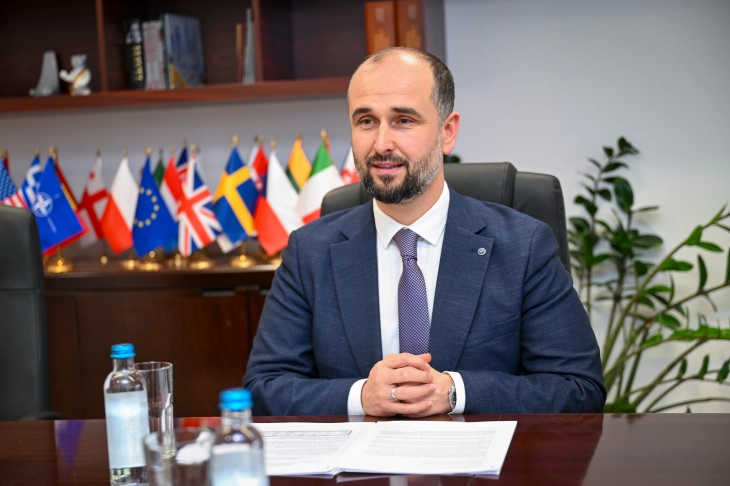
Photo: MIA archive