Germany's Merz backs using frozen Russian assets to support Ukraine
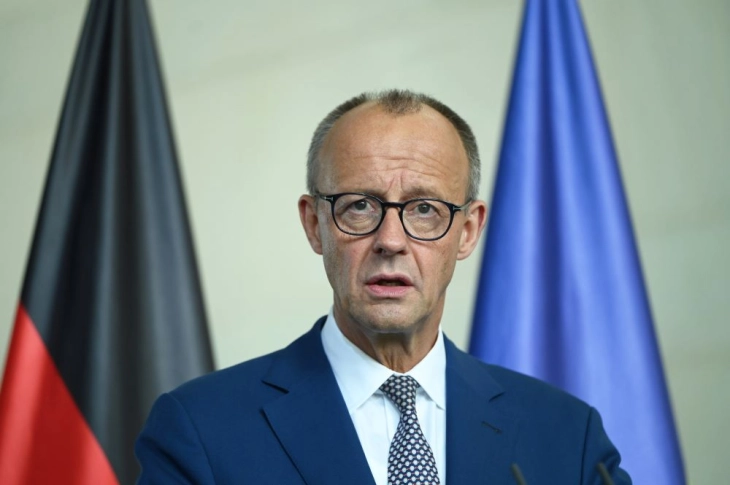
Berlin, 25 September 2025 (dpa/MIA) - German Chancellor Friedrich Merz is in favour of using some €140 billion ($163.5 billion) in frozen Russian assets in Europe to provide an interest-free loan to Ukraine.
"That loan would only be repaid once Russia has compensated Ukraine for the damage it has caused during this war," Merz wrote in an opinion piece for the Financial Times on Thursday.
The step would free EU member states from funding a large part of support for Ukraine needed in the near future themselves, according to the chancellor.
"Under Merz's proposal, the loan would first be guaranteed by member states before being collateralised using money from the EU’s next long-term budget in 2028," the Financial Times reported.
The funds could secure Ukraine's defence capabilities for several years, according to the chancellor, who said he intends to raise the proposal at next week's informal EU summit in Copenhagen.
"Now is the moment to apply an effective lever that will disrupt the Russian president’s cynical game of buying time and bring him to the negotiating table," Merz said.
According to the European Commission, around €200 billion in assets of the Russian Central Bank has been frozen in the European Union due to Russian invasion of Ukraine. Much of it is held by the Brussels-based securities depository Euroclear.
The interest generated by those assets is already being used to fund weapons and ammunition for Ukraine.
Directly seizing Russian central bank assets for this purpose is viewed sceptically by many in the EU, including Germany, due to legal concerns, potential damage to the reputation of Europe’s financial sector, and the likelihood of retaliatory measures.
Moscow had already warned the EU in 2023 against confiscating state or private Russian property.
Given these obstacles, alternative ways to utilize the funds have been explored.
For instance, European Commission President Ursula von der Leyen recently proposed providing Ukraine with a reparations-style loan based on the liquid portion of the funds, while leaving the underlying assets themselves untouched.
That Merz is now also pushing for action reflects Germany’s own national interest.
Berlin is increasingly standing alone on the front line of financing Ukraine. The government believes it has already surpassed the United States as the country’s most significant supporter.
And with other major European nations such as France and Britain far less willing to contribute, officials fear the burden on Germany could soon become too great, undermining domestic support for continued aid.
Finance Minister Lars Klingbeil emphasized that Germany is now ready to pursue new avenues.
"We need maximum pressure on Putin so that he finally ends his brutal war against Ukraine. The killing must stop," he said on Thursday. "We must continue to strengthen Ukraine’s defence capabilities and secure them for years to come. And when it comes to reconstruction, Putin must pay for the destruction caused by his war."
Photo: MIA archive


