European integration process is alive, says Murtezani
Skopje, 30 June 2025 (MIA) – The Growth Plan will be in the focus of today's bilateral meeting with EU Enlargement Commissioner Marta Kos, but at every meeting with top officials from Brussels, we certainly discuss finding possible solutions, while preserving our positions and ensuring the European integration process, so we expect that this topic will also be raised at today's bilateral meeting, Minister of European Affairs Orhan Murtezani told reporters at Monday's press conference marking one year in office.
As regards messages from EU Commissioner Kos, Murtezani said he could not respond hypothetically, adding however that "we welcome anything leading to dialogue that will mean predictability in the negotiation process".
"Both the Prime Minister himself and the Government have expressed readiness on several occasions to begin such dialogue, which will lead to the unblocking of the process," said Murtezani.
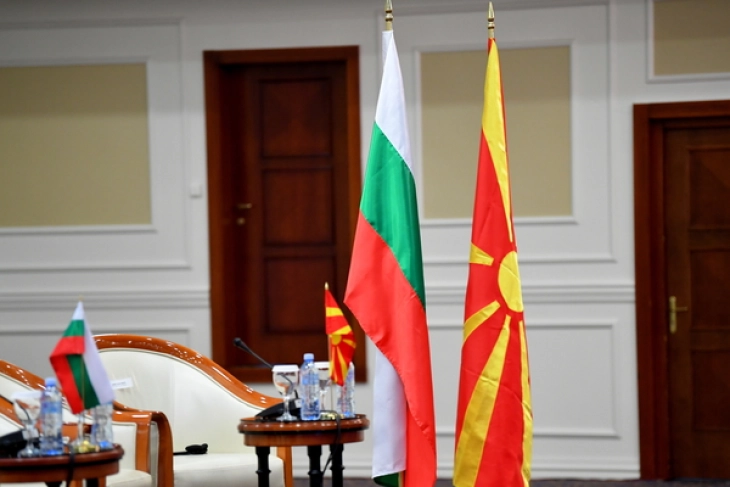
Asked about the dispute with Bulgaria and the political blockade, Murtezani said the country's EU integration process is not just about the Bulgarian veto, pointing out that it has many segments and it is ongoing.
"The process is not blocked, it is alive, it has many segments and it is ongoing. The Bulgarian veto implies an obstacle to the opening of negotiations according to the negotiating framework. We focus on the Growth Plan because the EU, through this framework, provides access to the citizens in the Western Balkans to services that were exclusively for EU member states. Therefore, without becoming a member, the citizens of the candidate countries can be part of these benefits," Murtezani noted.
As regards finding solutions and opening of the negotiations, Murtezani pointed out that the country has always shown readiness.
"But unfortunately, the tendency towards bilateralization confirms our views that bilateralization will continue," Murtezani said.
He reiterated that as a government they are not afraid of any demands, adding that such new demands should not be bilateral and should not turn into blockades.
"When we listen to the top officials from Brussels, they say implement the constitutional amendments. When we listen to the officials from Bulgaria, they say constitutional amendments, the negotiating framework, the protocols. This means that it is not the same position. We say that insistence on what Bulgaria presses for, including the second protocol, is a big risk, because if we read the protocol carefully, we see that everything is bilateralized there and all those steps in the future can very easily turn into blockades," said Murtezani.
On the protocols under the Good Neighborly Relations Agreement with Bulgaria, Murtezani said the key problem is Bulgaria's unilateral position, which is turning into a common EU position.
"The unilateral interpretation of all those documents by Bulgaria is through the prism of bilateralization. We believe for all those documents, some of which are part of the negotiating framework and some not, by removing the glasses of bilateralization, a way can be found for us to move forward, but if all those documents are insisted on being looked at exclusively through a bilateral prism, I think we will remain blocked in the future," Murtezani said.
According to Murtezani, having a completed negotiating structure does not mean it will wait until a solution is found with Bulgaria. He noted that the country has already received all six reports from the screening process, and the negotiating structure that is responsible will take them on and provide guidance to institutions in implementing the necessary reforms.
Photo/video: Government


