EU leaders give green light to Bulgaria to use the euro from 2026
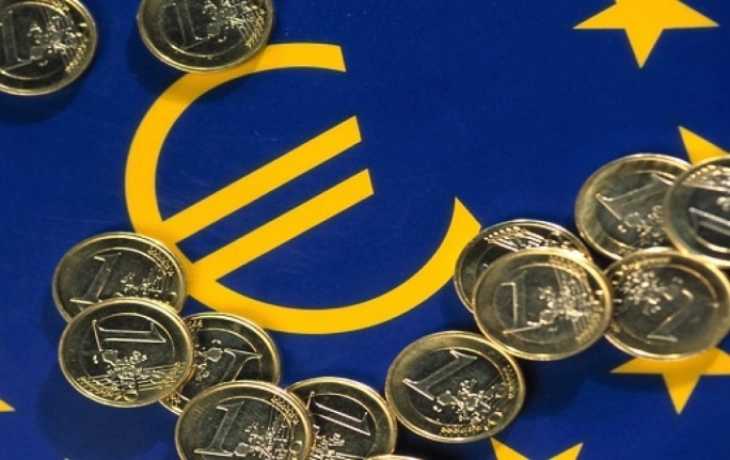
Brussels, 27 June 2025 (dpa/MIA) - Bulgaria on Thursday received the green light from European Union leaders to use the euro common currency starting January 1, 2026.
Leaders, gathered for an EU summit in Brussels, endorsed a proposal by the European Commission to allow Bulgaria to become the 21st member of the eurozone.
The Balkan country has been an EU member since 2007 and would be the first country to adopt the euro since Croatia started using the common currency in 2023.
Being a member of the eurozone makes trading and travelling easier. People who do business or want to invest will no longer have to worry about exchange rates. Tourists also benefit, as they no longer have to obtain the local currency, which is usually associated with fees.
The European Parliament and the European Central Bank (ECB) still have to be consulted before EU finance ministers can make the needed legal changes - and before Bulgarians can pay with euro coins and notes. But these steps are considered formalities.
According to the EU treaties, all member states apart from Denmark are obliged to join the single currency as soon as they fulfil the requirements.
Certain criteria must be met
Bulgaria, one of the poorer EU countries, is still at the bottom of the 27-member group when measured by last year's gross domestic product (GDP) per capita - although growth rates were higher than elsewhere.
Bulgaria originally wanted to replace its national currency, the lev, with the euro at the beginning of 2024 but it did not meet the strict criteria for adopting the common currency.
Due to the comparatively high inflation rate of 9.5% at the time, accession was postponed.
Next to relatively low and stable inflation rates, the criteria include price stability, sound public finances and stable exchange rates.
The ECB and the European Commission regularly review the progress made by the euro accession candidates with regard to these so-called convergence criteria.
The commission recently said it expects an inflation rate of 3.6% for Bulgaria in the current year and 1.8% in 2026, prompting a positive assessment for Sofia.
Anti-euro protests in Bulgaria
In Bulgaria the introduction of the euro has been accompanied by fierce protests.
In February nationalists lit a fire in front of the entrance to the EU representation in Sofia and poured red paint on the glass façade of the building. Molotov cocktails and eggs were thrown.
Last month supporters of pro-Russian and nationalist parties demonstrated in the capital Sofia and in other cities calling to keep the lev over fears that the euro would drive up prices.
Opponents of the euro collected 604,000 signatures in favour of a referendum over the introduction of the common currency, but the Bulgarian parliament twice rejected a referendum in 2023 and in May 2025.
Bulgaria's population is divided on the euro.
According to an opinion poll conducted by the Bulgarian institute Mjara in mid-May, more than half of all adults (54.9%) are against the introduction of the EU's common currency in 2026, while a good third (34.4%) are in favour of joining the eurozone next year.
MIA file photo


