SSM to continue protests demanding higher wages, calls on gov't to sign collective agreement

Skopje, 30 January 2026 (MIA) – The Association of Trade Unions of Macedonia (SSM) next week will start erecting blockades and the decision for a general strike unless wages are increased remains. The organization called on the government to send a representative to SSM’s premises next Monday to sign a collective agreement regulating pay raises as early as February.
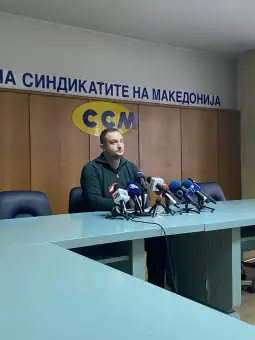
“We invite the government representative on Monday to come to SSM and sign the collective agreement increasing the salaries of workers by 40 percent and increase the minimum wage to 600 euros as of February 2026 instead of in 2028. We invite them through you, the media, to come and increase salaries despite their manipulation that SSM had rejected a raise. If no one comes, what’s next,” SSM President Slobodan Trendafilov said Friday.
Speaking about Wednesday’s protest, Trendafilov thanked all protesters for attending, especially those “who have been under pressure not to join.”
Starting next week, SSM will start with blockades, including blocking the entrances into the capital Skopje.
“We will blockade the Parliament. Probably the legislative house will be the first one to be blocked because legislators have been blocking us for a whole year keeping the legislation in a drawer, refusing to raise workers’ salaries. It will mean that the legislators will have to come to work on foot or by public bus, the same as all workers,” Trendafilov told a news conference.
He reiterated that SSM’s highest bodies have reached a decision on organizing a 24-hour general strike.
“All workers who will take to the streets for the 24-hour strike, instead of going to work, will be protected. The law protects the workers. Only essential sectors, such as healthcare and security, will be active reduced to minimum amount of work. All the others will have the right to join the general strike and show the employers, the business elites and the officials what workers think of them,” Trendafilov said.
The Association of Trade Unions on Wednesday held a protest demanding immediate increase of the minimum wage to €600 and a €100 increase of all other wages.
Photo: MIA


