Our energy transition is under way, we're investing in new solar and wind energy projects, says Bozhinovska

Skopje, 28 October 2025 (MIA) – Energy reforms are already producing results. Renewable energy sources in the country make up more than half of the total installed capacity of electricity. 2024 recorded 56 percent. This is considered huge achievement and a clear signal that our energy transition is under way, Minister of Energy, Mining and Mineral Resources Sanja Bozhinovska said speaking at the first plenary session, held Tuesday as part of the 14th International Forum on Energy for Sustainable Development (IFESD-14).
The structure of this progress, she said, is even more impressive having in mind that photovoltaic power stations now make up 28 percent of the capacity installed, replacing large hydro power plans by 24 percent.
“Solar energy production last year rose by 180 percent compared to the previous year. These figures speak volumes. The achievement is no coincidence, it comes as a result of our clear goals, stable legislation and strong partnerships. Our government created a favourable environment for private investments by facilitating the issuing of permits, introducing market-based support mechanisms and providing transparency in energy management,” the minister stressed.
Macedonia has been investing in new projects for solar and wind energy, Bozhinovska added.
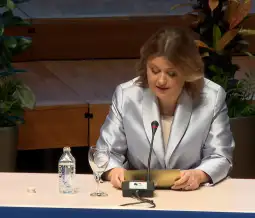
“These investments are necessary to maintain safety and flexibility because we are integrating multiple clean energy resources. But with progress comes responsibility. As the renewable energy capacity rises, our focus must be on systemic integration, regional interconnections and digital innovations, storage technologies. Cross border energy exchanges will make our system more resilient and connected to the European clean energy network,” said Bozhinovska adding: “Our success doesn’t depend only on the efforts made at home, they also depend on international cooperation.”
Artur Lorkowski, Director of the Energy Community Secretariat, said in order finances to be secured, reforms must be credible in line with the law. Institutions should uphold them in order investors to have trust.
The region undergoing an energy transition is evident, he noted.
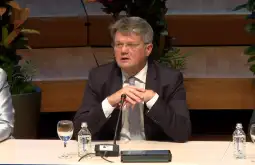
“In 2024, carbon intensity alone was down by an average of 11 percent while renewable capacity expanded by more than 50 percent. These are facts we should be proud of. Macedonia, Serbia, Moldova, Montenegro are moving closer to connecting their electricity markets with the EU even before joining the bloc. This market connection is key to the collective regional energy transition. On the one hand, it will foster diversification to ensure security of electricity supply, and on the other hand, it will accelerate decarbonization, creating a single transparent space where clean energy can compete, supported by price signals that reward efficiency and investment in renewable energy sources,” said Lorkowski.
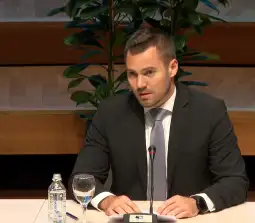
According to Peter Holicza, deputy state secretary for EU affairs and international relations at the Ministry of Energy of Hungary, physical connection of networks as well as alignment of market rules and standards are some of the important ways for the region’s energy integration.
He pinpointed the importance of nuclear technology and natural gas, considered key for a successful energy transition.
The forum resumes this afternoon with several panels focused on energy connectivity, resilience and security.
The 14th International Forum on Energy for Sustainable Development (IFESD-14) titled "From Goals to Action: Powering the Future with Sustainable Energy" was opened earlier by Prime Minister Hristijan Mickoski, Energy Minister Sanja Bozhinovska, United Nations Under-Secretary-General and Executive Secretary of UNECE, Tatiana Molcean, and UNDP Resident Representative Armen Grigoryan.
A Skopje Declaration is expected to be signed – a document that will remain as an important permanent record of the efforts made by the participating countries toward a sustainable, secure and inclusive energy future.
Photo: screenshot


